Cricket
4 hours ago
Sanctions?: CA powerbrokers discuss BBL merger in emergency meeting
By Tom Morris

Download the SEN App
Your Home of Sport, In your Hand
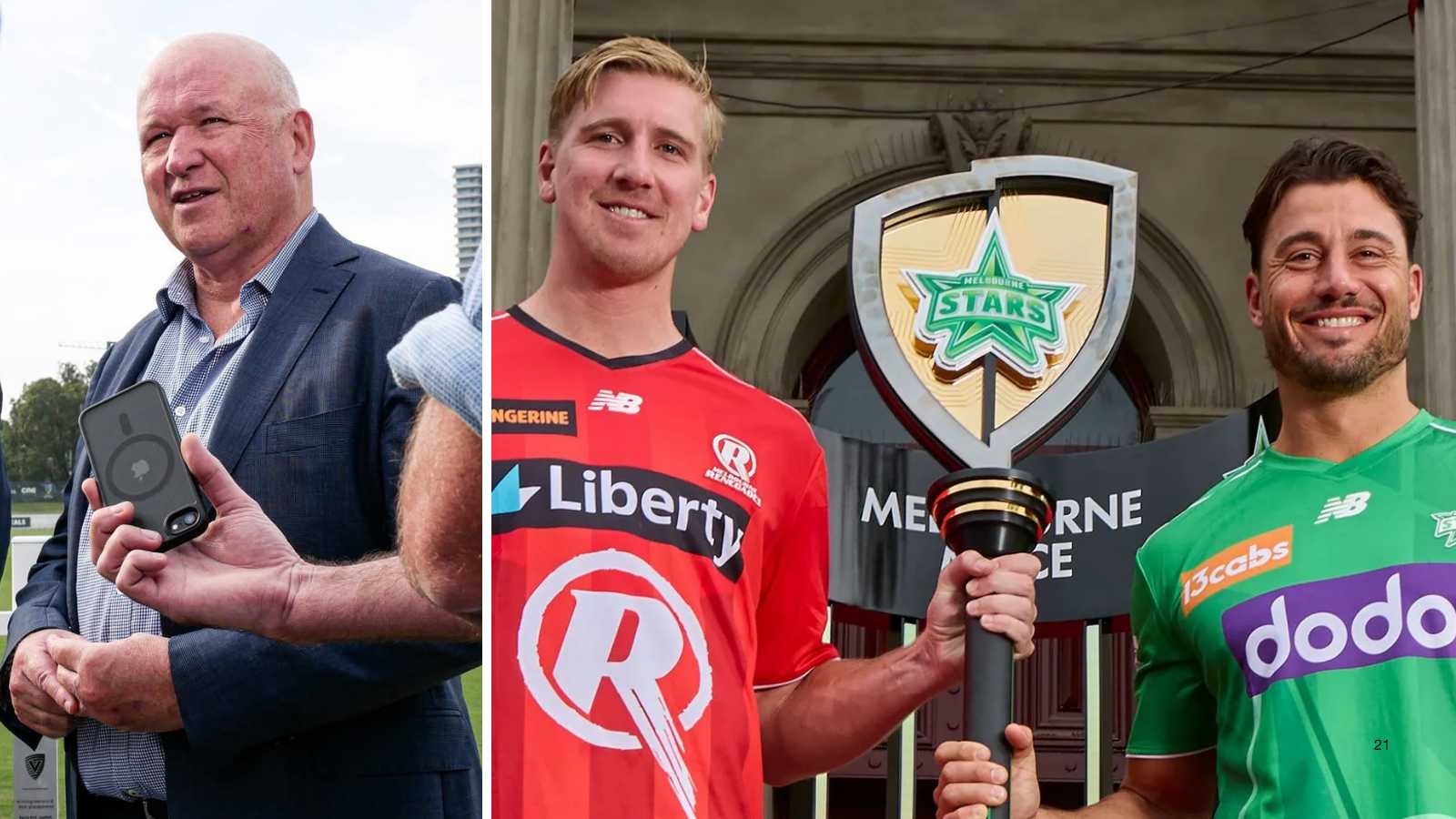
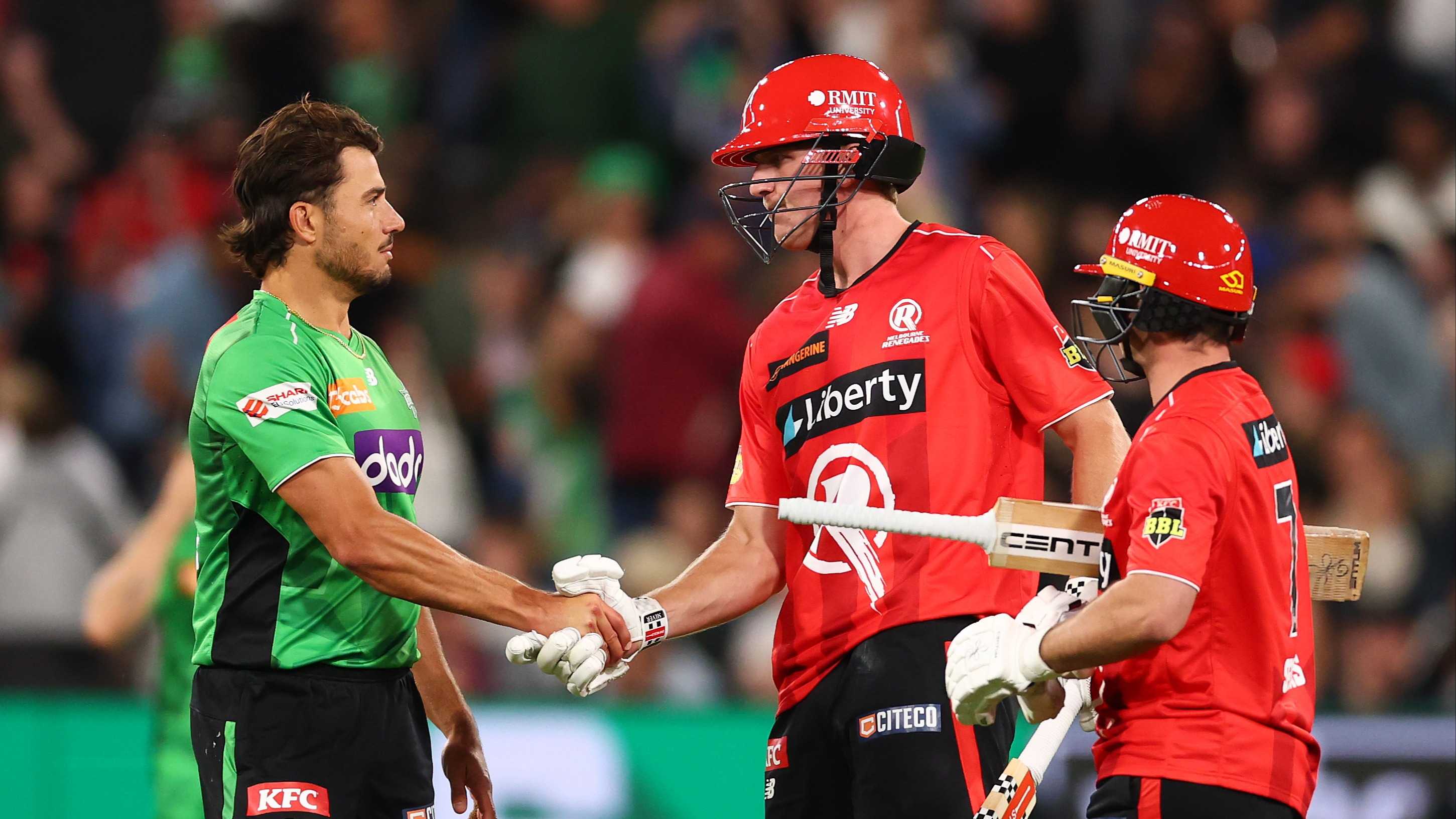
Cricket Australia’s most influential and powerful people met for an emergency meeting on Thursday afternoon to discuss Cricket Victoria’s decision to merge the Melbourne Renegades and Melbourne Stars.
The phone hook-up, which was organised by Queensland with help from South Australia and NSW, was run by Cricket Australia chair Mike Baird.
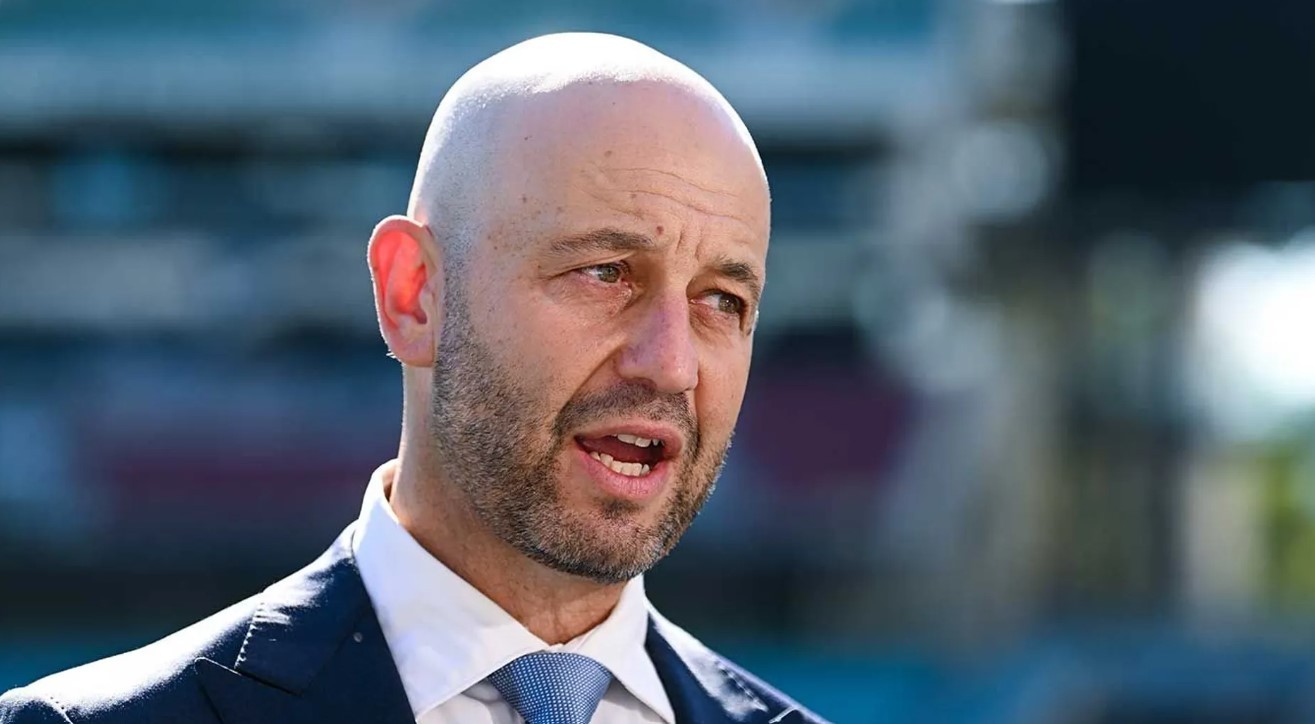
CEOs and chairs from all states aside from Victoria were invited, while Cricket Australia chief Todd Greenberg was present for the top secret discussion.
While grievances were aired about Nick Cummins personally and Cricket Victoria more generally, the tone of the meeting was broadly constructive.
South Australian chair William Rayner at one point asked whether there would be sanctions handed down to Cricket Victoria for their actions. Baird politely shut the suggestion down while also urging those on the call to avoid criticising Cummins personally, in favour of more constructive language around Cricket Victoria as an entity.
Baird’s instructions to avoid ‘playing the man’ were well received, as was his acknowledgement that he hasn’t been able to bring the states together in a truly unified fashion yet.
Baird reaffirmed the need to be calm and stay aligned, a perspective which was echoed by Greenberg.
But there was no blow-up or tantrum in the meeting, which lasted more than an hour.
NSW remains optimistic with the future of the BBL maintained they are open to finding a way forwards with the self determination model initially constructed by South Australia. But the country’s biggest state is not ready to commit to selling either the Sixers or the Thunder franchises, though rival states believe they will eventually approve other franchises being sold.
The biggest concern with Cricket Victoria’s move on Tuesday was that it didn’t let other states know, a reality which Cummins addressed in his letter on Wednesday night.
The view on Thursday’s call was that this put commercial relationships at risk and professional ethics were breached, with the word “rogue” mentioned on several occasions.
Even though QLD and NSW were the most against privatisation when it was first raised, both states maintained they believed good progress was being made until they were blindsided on Tuesday.
The good faith, collaborative work which was going on behind the scenes meant these states were shocked and angered when Cricket Victoria pushed ahead without formally notifying them on Tuesday.
Cricket Victoria maintains they did however give Cricket Australia the heads up.
Queensland, which needs more time, is seen as the most disjointed section of the Australian cricket ecosystem. The view from other states is they didn’t do the work to prepare for the privatisation debate and are only now coming to the table in a meaningful way.
Tasmania and Western Australia were interested onlookers, but are both comfortable with their positions and believe there is a way forward, despite the events of this week.
State CEOs will meet next week, before the chairs come together on June 15. If all goes to plan, there will be a detailed privatisation model around the beginning of July.
The BBL in 2026/27 is likely to look the same as it did last summer, with any privatisation to come into play for the following season.
However Cricket Victoria remains hopeful it can sell its secondary license by mid-October, and the buyers will be able to take control of the franchise in time for this summer.
The current self determination document is in the ‘amendment’ phase and is 14 pages.
After the meeting, sources spoken to by SEN said Cricket Victoria’s merger play this week will be seen as a blip on the radar, rather than the nuclear bomb some states viewed it as originally.