Cricket
21 hours ago
Whateley: The tangled web of Australia's sandpaper scandal
By Gerard Whateley

Download the SEN App
Your Home of Sport, In your Hand
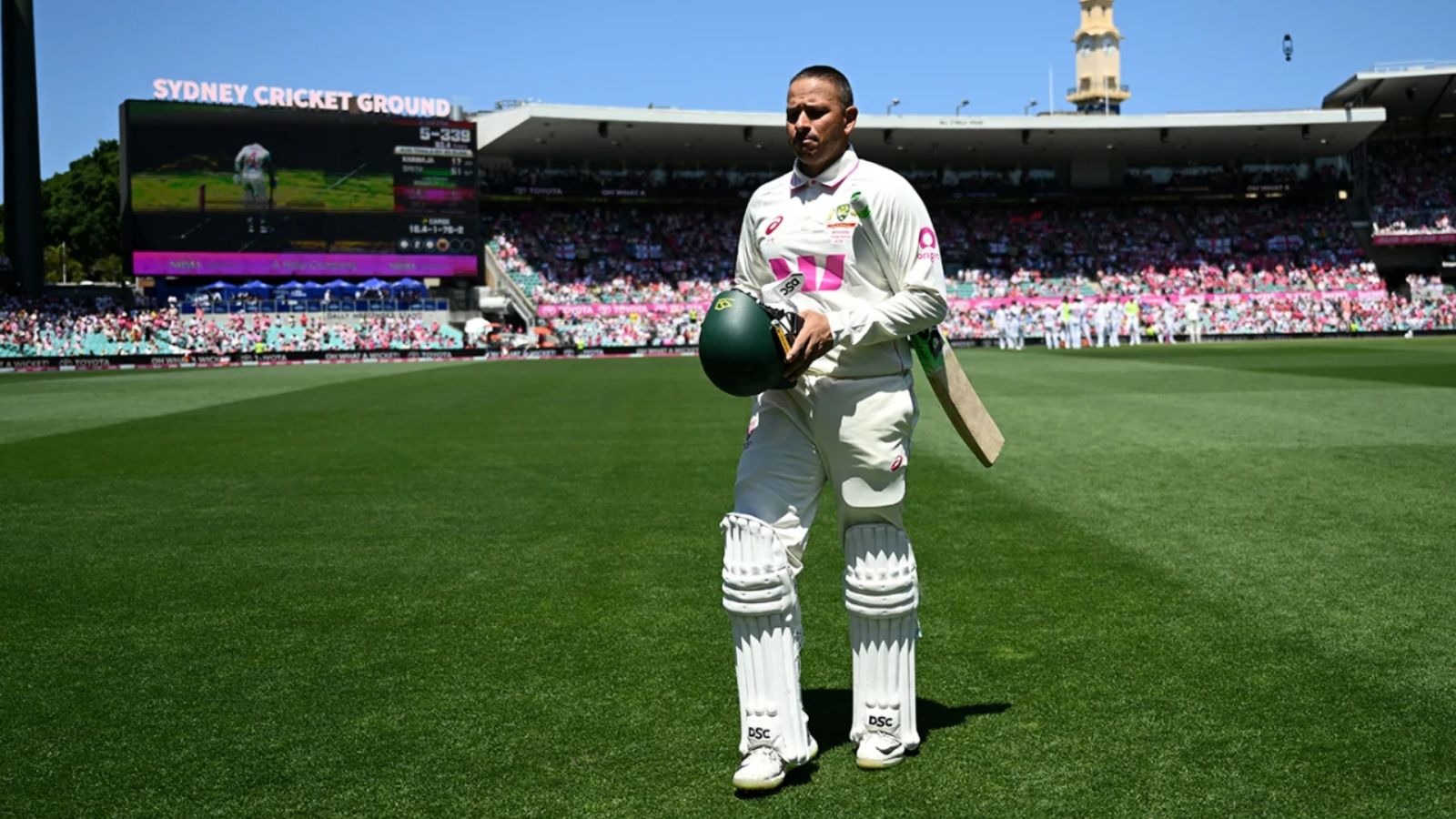
Gerard Whateley after reading the Sandpaper chapter of Usman Khawaja’s autobiography Sabr.
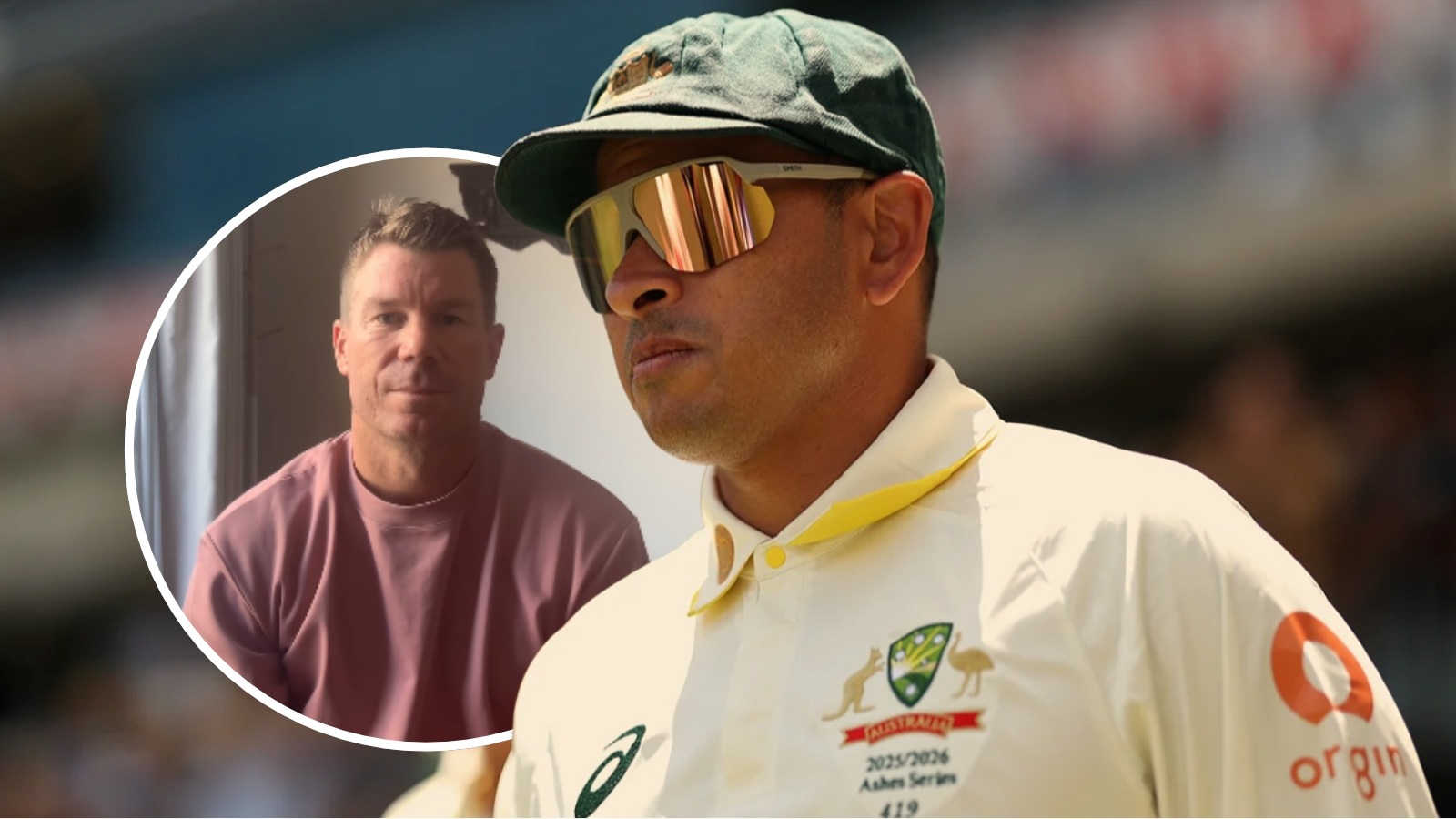
It’s the story I always expected to read. Followed by the words we always anticipated from David Warner.
Eight and a half years on, Australian cricket is again in the grip of the sandpaper scandal facing so many of the questions that were not adequately resolved at the time.
A breathtaking failure of strategy that has now come home to roost.
The unexploded grenades left on the field igniting one at a time.
There was a moment in 2021 when this might have been faced, in the cold light of day.
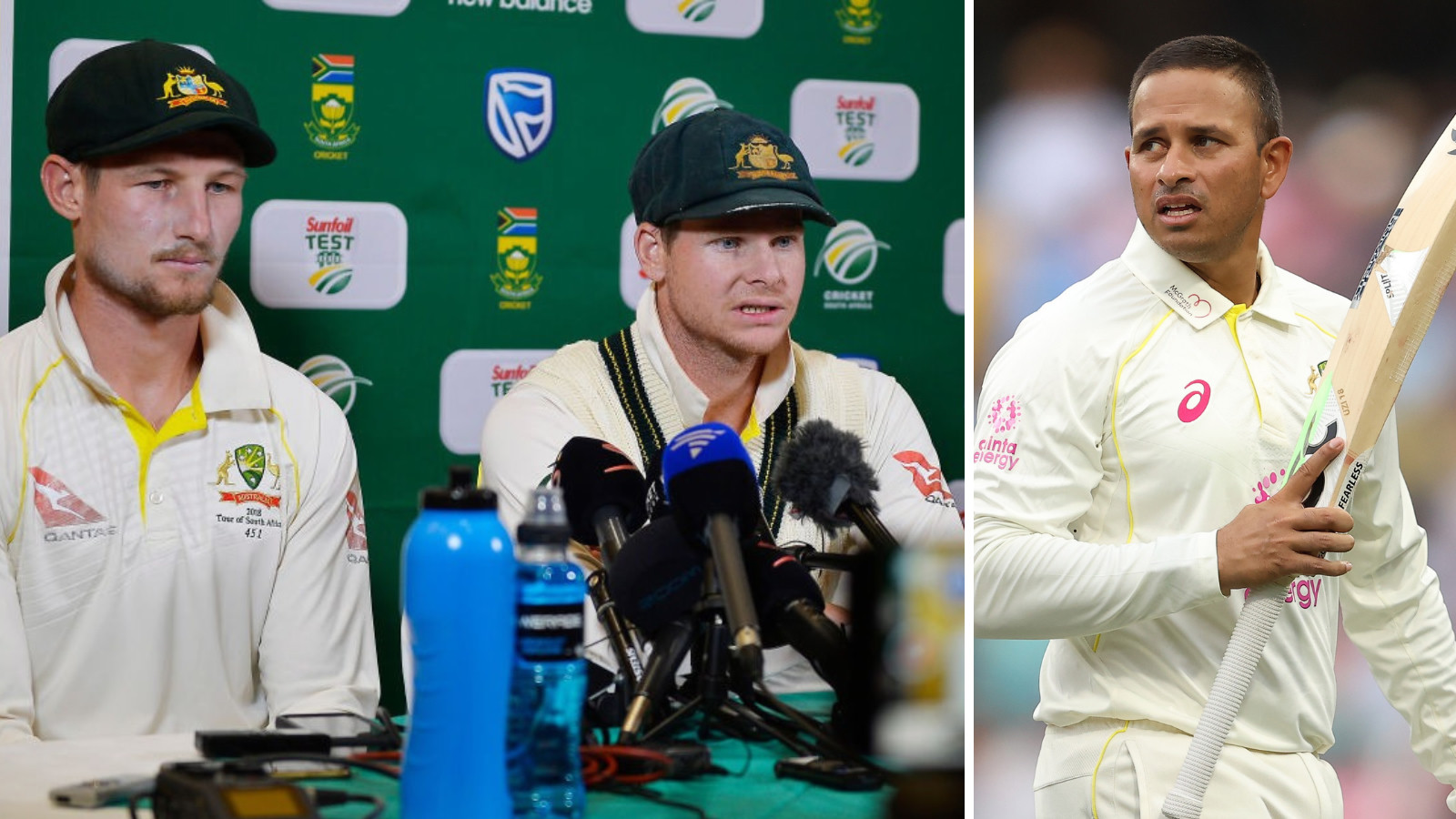
Cameron Bancroft had given the opening that the agreed version was not all that transpired. Broader knowledge was self-evident.
But as Khawaja says, players were afraid and felt like they still had a lot to lose.
"We’d had the chance to finally quash it once and for all. But we didn’t. Maybe now we finally can," Khawaja wrote.
It’s important for context – that Australian cricket team is not this Australian cricket team.
Some of the characters of the time remain but the characteristics have profoundly changed. The ugly demeanour of that era looks so out of place when replayed against the on-field conduct of today.
Of the Australian cricket team in South Africa in 2018 it can only be concluded:
That team cheated and lied.
Then lied about the cheating.
And lied about the lying.
That’s quite the tangled web.
Usman Khawaja’s book makes clear – and Warner declares it is 100 per cent true - sandpaper was used with effect prior to the disgrace of Cape Town.
Everybody knew.
Khawaja stated: "Of course I bloody knew what was happening with the sandpaper."
It was the culmination of that team’s desperate and devious ball-tampering strategy.
There are some inescapable conclusions.
As coach, Darren Lehmann ran that team in the worst imaginable way.
They were just too narrowed-minded and thought we’d been hammered because we were too nice.
Steve Smith had no command or authority as captain. He was just the best player in the team.
Smith put his hands up and said: “I don’t want to know anything about this”, and walked out of the room.
That was Port Elizabeth, prior to Cape Town. Smith was punished for precisely what he was guilty of - refusing to stop the behaviour, a failure of leadership.
David Warner was not the mastermind … he was just the most boorish figure in the room.
Khawaja’s telling is especially sympathetic to his childhood friend. How that marries up with Warner’s interview in the investigation at the time would be fascinating.
And Cameron Bancroft was no patsy.
I’ll do it... It’ll be easy.
In Khawaja’s account there’s a startling ethical dilemma.
In the team meeting post the Cape Town Test, once Tim Paine has been appointed interim captain, Khawaja makes the case for collective responsibility.
Two players are opposed to this course of action (Khawaja doesn’t identify them).
To protect the rest of the players and the coaches, three are thrown overboard.
It’s an ethical dilemma worthy of study in university courses.
It’s a miracle this group played together again, let alone for such a lengthy period of time, given what they all knew about each other.
Perhaps it’s testament to the selfish nature of cricket. They all looked after their own careers and overlooked what had transpired.
When it was exposed publicly, Cricket Australia chose a method of containment and scapegoating rather than facing the whole truth.
By design, the investigation was “don’t ask, don’t tell” and relied on three players taking the fall.
Deliberately, the full player cohort was not interviewed. Khawaja was waiting for a call that never came.
The flaws in the strategy were many and don’t need the benefit of hindsight to be understood.
Those responsible chose the delusion that no player would ever tell the full truth.
This day was always coming.
The premise was misguided because the fallout for cricket in this country couldn’t have been worse.
Australian cricket was excoriated and progressively everyone lost or departed their jobs.
It couldn’t have been any worse if the whole truth had been laid out.
In fact, I would argue, it would have aided in the healing.
The sense of unease that lingers in the public would have had no real cause.
Chapter 17 reads as a miserable reminder of the moral decay of that team – a group that had lost its moral compass.
Khawaja is so easily able to justify the behaviour of the time.
He blames CA for the win-at-all costs mandate issued in Hobart two years earlier.
He repeatedly blames the coaches who left the players with no choice.
He likens ball tampering to doping in the Tour de France and casts the conduct as the necessity to compete.
The use of sandpaper goes from being a dressing room lark to an implemented strategy with seemingly no thought or recognition how ludicrous an idea it was.
He blames South Africa and the broadcasters.
He blames the Prime Minister for inciting the backlash.
He indulges the conspiracy the CA Board wanted vengeance on the players for the landmark pay dispute in which the players had prevailed.
Khawaja twice makes the point of telling Bancroft “to be careful” with the sandpaper, when what was required was the courage to tell him not to do it.
There is no moral high ground here. Khawaja kept threatening to speak up but never quite managed to do it.
It takes an awfully long time to get to the line: As a team we let ourselves down and the entire country.
Eight years on is too late but still necessary.
Khawaja has said he was chicken to have said this publicly prior to now; he didn’t want to be the first.
He knew the devastating impact it would have in the dressing room and didn’t want to create that environment while he was still playing.
He’s happy to blow up that dressing room now that he no longer has to sit in it.
One suspects he hasn’t fully taken into account the reality of those former teammates who are still in the playing environment and public spotlight.
Privately there is anger, disillusionment and much discomfort.
This is not easily navigated. But silence is no longer an option.
It’s all eyes to CA Headquarters at Jolimont. No governing body with a straight face can overlook this information and expect to keep good faith with the public.
But how do you re-prosecute the past without inflicting fresh wounds when so much in Australian cricket – and particularly the team itself – has changed?.
The unexploded grenades left strewn across the field are going off. One at a time.