AFL
34 minutes ago
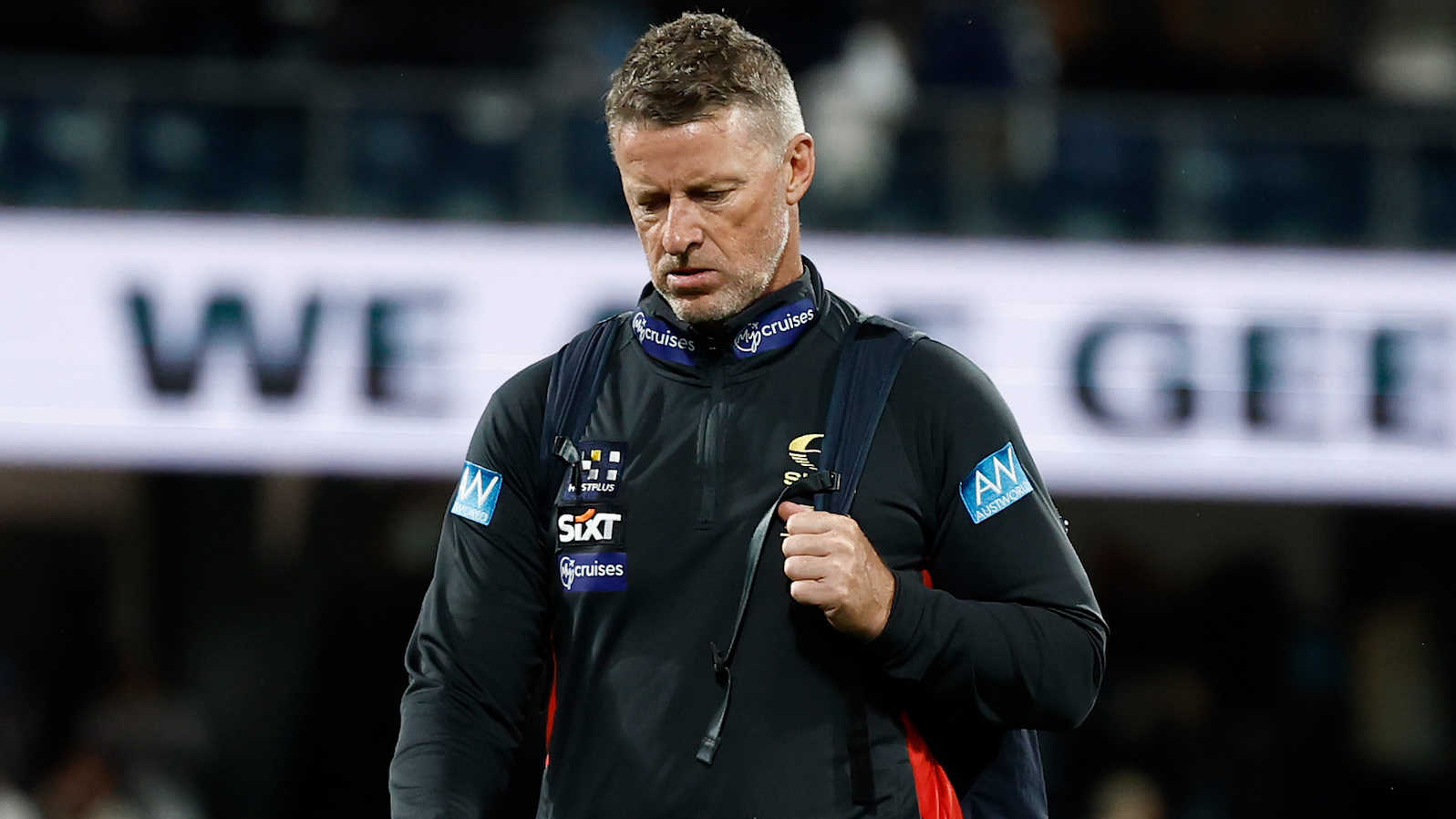
Hinkley: How the Devils plan to manage next generation
By SEN

Download the SEN App
Your Home of Sport, In your Hand
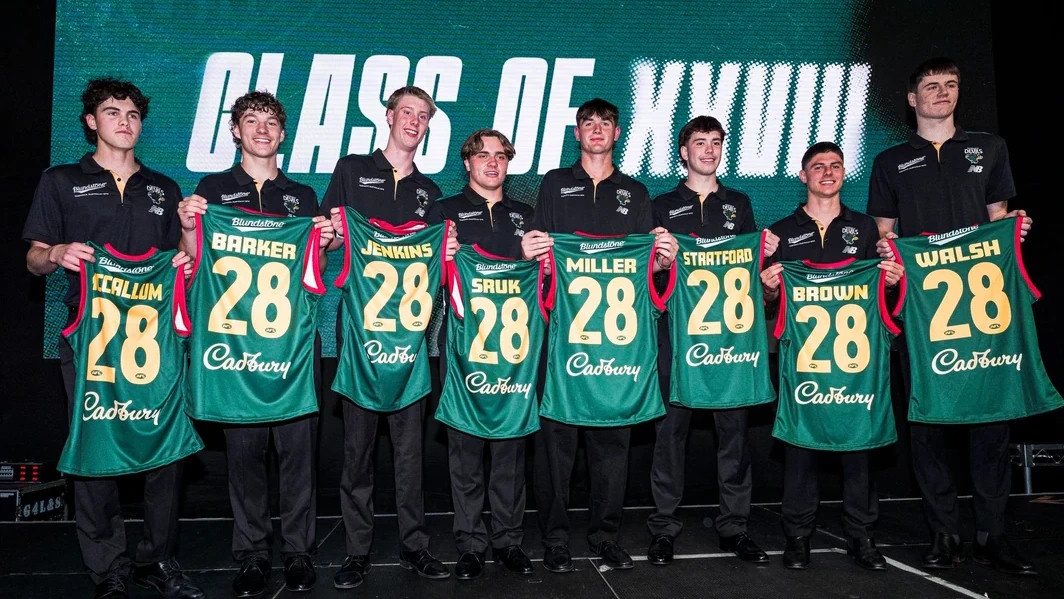
Tasmania’s first pre-season with their elite underage talents has commenced, with all eight of their committed players joining the group ahead of the 2027 season.
With a year of preparation ahead of their first AFL campaign in 2028, the Devils have hit the track ahead of their second VFL season, with inaugural head coach Ken Hinkley taking the group out for their opening session.
Joining the Devils’ VFL setup under coach Jeromey Webberley, 17-year-old recruits Axel Walsh, Angus Brown, Riley Stratford, Jake Miller, Griffin Barker, Nate Jenkins, Baxter Sruk and Hugh McCallum commenced their time with the Devils, with Hinkley, development guru Nigel Lappin and academy coach Matthew Knights leading the line from an AFL perspective.
The goal? Have their eight emerging youngsters AFL-ready for Round 1, 2028.

“The good thing about that is we've got such a youthful squad at the moment,” Hinkley told SEN Summer Run.
“With Nigel Lappin and Matty Knights, they're going to get some really good fast track development, we hope.
“These are 17-year-old boys and some of the local boys down here too, we've got a Beams and a Barwick, those types of names who are Tasmanian names who are going to play some football too in the AFL which is really great.
“We understand there's still a journey in front of us and it's 12 months, but the beauty of having our VFL and Coates Leagues teams next year, the boys that we've got down here, we can play them and control where they play and what they play like and educate them, fast track them.
“Last week when the draft night was on, our seven boys that we've already nominated, next year's their draft night technically, but we hope that they're that well-advanced, that come the start of 2028 week and really look to play quite a few of them in Round 1.”
While only eight young talents have officially committed to the club’s AFL program, the club has a variety of young talents training with the senior bodies.
“People forget that we actually have a squad of about 22, so that's okay,” Hinkley said.
“We've got an academy squad down here that Matthew Knight has been down here for over 12 months working with.
“If anyone’s seen young Jake Beams play in the Futures game at the Whitten Oval on Grand Final day… He was the best player on the ground in that game.
“He's a 17-year-old Tasmanian who obviously comes through in our program, and we get to list him. He will become, at some point hopefully, a Tasmanian Devil full-time.
“We've got 22-ish, 23, and we've also got some mature aged VFL boys who will be coming to join us during the next few weeks as well.
“There'll be good numbers. We won't be playing 18-a-side scrimmage, but no one will be before Christmas. Once we get back after Christmas, with the VFL program with Jez Webberley and the boys, there'll be plenty of opportunities to do proper footy training drills.
“Importantly now, the fundamentals of the game are what these boys need to focus on. Whether that's controlling and winning your own football, executing with some pressure around you and understanding space.
“Nigel's as good as you're going to see when it comes, and I'd love everyone to get an opportunity to see Nigel Lappin teach and coach he just breaks the game down so well.
“Our boys have got this enormous advantage. Even though it's small numbers, I think there's some great results in our small numbers coming because of that.”
Given the 17-year-olds have committed to Tasmania, they won’t be able to continue their U18’s development at their original clubs.
That said, they do have the ability to shift in and out of different competitions over the course of the year.
“We can use them in different ways,” he said.
“We can use them in the VFL - if they're capable of playing in the VFL - against the other VFL teams which is a big competition and a quite a young competition.
“Some might still play Coates League, they might still play a bit of school footy because they're only 17-year-olds, they're only young men in their journey.
“We'll manage them - there'll be times where they just won't play. We will take them out for a block of three or four weeks at different times and just train them in a different way.
“We get an opportunity to physically develop them, not just the game itself, but their physical development is critically important.
“To play in this game, your body takes a little while to grow. We've got to get them to 21, 22 by the time they're 18 or 19, if we can, without hurting them, without breaking them down.
“We've got to manage them really well and I think that is something that's a real advantage to us, and particularly with the experienced people around them.”
Listen to Hinkley’s full interview below: