AFL
3 months ago
50 to 100 versions: How the AFL fixture is decided
By SEN
The AFL has officially revealed the fixture for the 2026 season, with a number of talking points following its release.
Despite being an incredibly difficult task, the schedule has certainly raised questions amongst the football community, with persistent bye rounds, double-ups and repeat fixtures from '25 headlining the newest release.
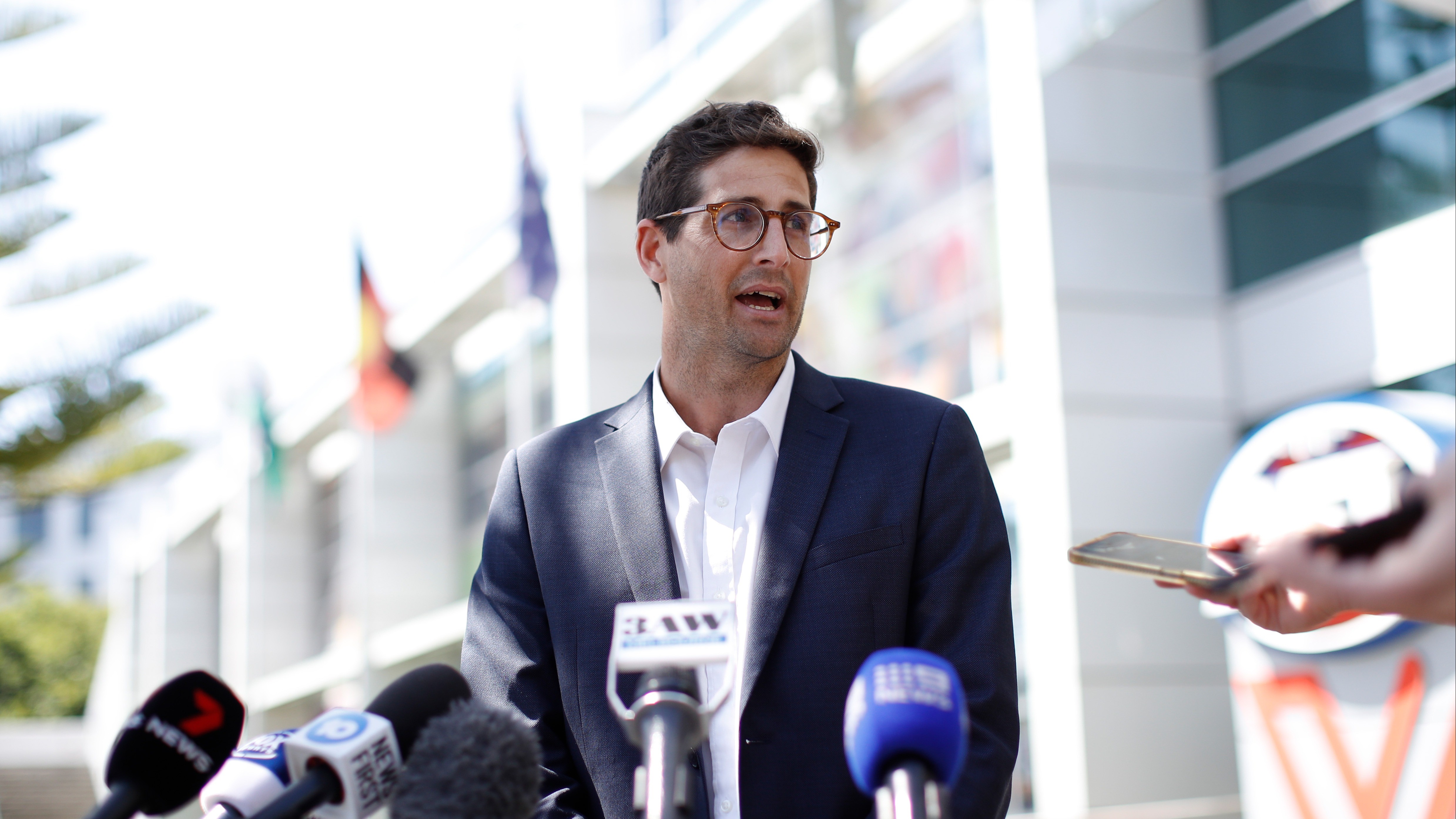
Discussing the behind-the-scenes of the roster build, the AFL's fixture boss Josh Bowler touched on a number of key talking points regarding the upcoming season's schedule.
“We get requests through from clubs, broadcasters, venues and some state governments, so we’ve got to balance all of that and start to prioritise all of those things,” Bowler told SEN Afternoons.
“That happens over the months leading up to the fixture build, and after the Grand Final, when the ladder is set, we then get into it. It takes about a month to work through how we prioritise all of those things to deliver a great fixture for fans.
“We do somewhere between three to four fixtures per day over a month. Looking at probably between 50 to 100 different versions that we will tweak and tinker with across the journey.”
Friday night double-up games
“It’s a combination of factors. Firstly, it allows us to get more prime time games away in more markets for more clubs.
“It doesn’t necessarily fit the build in every round, but what we are doing in the rounds that we do it in, is take a game that’s overlapping with another one from the weekend and putting it on a Friday night in prime time. What that means is, for example in New South Wales and Adelaide, they get to see their local derby in prime time on Channel Seven and Foxtel and maximise the crowd outcomes for the game as well.
“For example, on the round where Mothers’ Day is on, it’s often that fans have other commitments on Mothers’ Day, so that allows Port Adelaide and the Bulldogs to play on Friday night in Adelaide that round and get a big crowd.”
Fixture weighting
“The weighting rule ultimately governs how the double matchups are allocated.
“We look pretty closely at this each year, and we’re very lucky that we’ve got a highly competitively balanced competition. Teams move drastically year to year, and what that means from a double matchup point of view is that it’s based on the ladder from the prior season.
“There are some pretty significant changes but when you actually look back on it and how the season played out, you’ll see some top four clubs from last year getting vastly different difficulty of fixture from other clubs.
“One thing that we have done over a number of years is evolve the fixture. We’ve added Thursday nights, we’ve added Gather Round, some really big things. We get more club requests for every year, so every time you put something into the fixture, it gets that little bit more difficult to meet all of the means that we want to try to address.
“What this does is provides greater flexibility to be able to do that, because you’ve got more range of who you can play for your double matchups, and ultimately what it does is it maximises those blockbuster games in the back part of the year because you’ve got more top six clubs playing against each other in the run home.”
On all teams playing each other once before others twice
“It’s ultimately connecting back to a want to deliver as many of our key priorities from a fan engagement point of view in the fixture. We want to deliver a fixture that gets the most people watching and the most people going to games.
“As soon as you have a requirement to play everyone once in a row, that removes a whole heap of flexibility to be able to deliver a strong fixture. If we were to do that, we would end up with a far worse outcome for clubs and for fans on the whole.”
On Brisbane’s lack of prime-time fixtures
“There’s always one club who you sit back after doing the fixture process and feel would have liked to have got a couple more prime time games, and Brisbane is that this year.
“They do have some big games, they are in Opening Round against the Bulldogs, they’ve got Easter Thursday, they’ve got the Grand Final rematch in Round 10, but it largely comes down to the matchups any given round, and how they stack up against the rest of the round.
“If you look at Brisbane’s run home, there’s a number of big games, which we expect if they are performing, will feature in prime time.”
Why are there repeating Gather Round fixtures?
“Particularly in the early part of the fixture, there are a lot of fixed elements to it.
“If you think of Easter round, where you’ve got a number of six matchups that happen every year, Anzac Day and so on… what that leads to is the games around it that also end up being similar.
“Where teams play on Easter Round in this case will impact who and where they play the following week. You’ll see Hawthorn and Geelong will need to be on the Saturday or the Sunday, and Carlton, Collingwood, Brisbane and North Melbourne who play on the Friday leading in, will always likely be on a Thursday to Saturday.
“Amongst all of the other things, that ends up being how the matchups fall, and there’s a strong appetite to maximise the travelling fans’ access to games, which ends up meaning that games like Melbourne-Essendon and Bulldogs-Hawthorn are the games played at Adelaide Oval.”
Thursday nights
“Thursday nights have been a great success, and they’re very similar in TV ratings to Friday nights.
“I think we always will want, if we’ve got two blockbuster games, to play a Thursday and a Friday night game. Given we can’t foresee how the season will play out, we will continue to monitor that through the season and make the call around Round 9 on what we’re going to do for the back part of the year.
“There’s definitely an appetite to deliver as much high-quality Thursday night footy (as possible).”
Bye Rounds
“We ultimately hear a lot of feedback around wanting less overlapping games in the fixture. Bye rounds deliver that.
“We make decisions on maximising the way fans engage with our games, and that’s how many people are going to games, how many people are watching on TV. This current bye structure has delivered record viewership and record crowds for the game over a number of years.
“Byes are common practice in all leagues around the world, and we’re likely going to be expanding to 19 teams in the coming years, so additionally, we’ll have a bye every weekend of the season.
“Ultimately, we’re doing a fixture that maximises the way that fans engage and creating clearer football on a number of weekends throughout where we would have had games going head-to-head if we were playing a full nine game round.”
Listen to the full interview below: